

Best Places to Visit Along I-75 Florida (Border to Orlando)

Updated: Mar 3
Driving south on I-75 into Florida, most people flip into destination mode. Miles blur. Exits pass. The road becomes something to finish instead of something to notice. But this stretch—between the Florida border and Orlando—quietly holds some of the most meaningful places in the state, with many unforgettable places to visit along I-75 Florida that travelers often miss. Springs that shaped settlement. Small towns built around patience instead of speed. Landscapes that remind you Florida wasn’t always designed to impress.
Throughout this article, you’ll see a ⭐ line after each place. That star isn’t a call to action—it’s a reminder. These are places worth remembering for later, the ones people often regret driving past once they realize what they missed.
Why the Florida Border to Orlando Stretch Matters for Places to Visit Along I-75 Florida
This corridor is Florida before spectacle. Long before Orlando became a destination, this region was shaped by water, rail lines, agriculture, and migration moving south one quiet mile at a time. I-75 cuts through a version of Florida that still feels rooted—where towns grew because of springs, rivers, and crossroads, not attractions. If you slow down mentally, this drive shows you how Florida became Florida.
Suwannee River State Park

A river that carried stories before roads did
Before highways stitched Florida together, rivers did the work.
The Suwannee moved people, goods, and ideas long before I-75 ever appeared. Standing on the banks near White Springs, you can still see limestone bluffs where steamboats once tied up. The water runs dark — tannin-stained from cypress swamps upstream — and moves with a quiet persistence that highways never learned.
Springs feed the river from underground, some so clear you can see more than 100 feet down. Sandbars appear and disappear with the seasons. The current carries the same slow rhythm it has for centuries.
You can paddle for miles. You can camp beside the water. Or you can simply watch it roll past — the way people always have.
It isn’t dramatic in the way Florida is expected to be. That’s exactly why it stays with you.
Worth experiencing:
Limestone bluffs along the river near White Springs
The calm, dark water contrasting with bright spring-fed creeks
Quiet river views at Stephen Foster Folk Culture Center
Worth doing:
Paddle part of the Suwannee River Wilderness Trail (52 miles of scenic river)
Tube or swim at nearby Ichetucknee Springs
Camp along the river or at Spirit of the Suwannee Music Park
Reality check:
It’s about atmosphere and slow travel — not quick attractions.
Quick Visit Info
Location:
Near White Springs, Florida (just off I-75)
Time to plan:
1–2 hours (longer if paddling or visiting nearby springs)
Cost:
Small state park entry fee
Common Questions
Is it good for kayaking or tubing?
Yes, the Suwannee River and nearby springs are popular for paddling and swimming.
Can you camp nearby?
Yes, there are campgrounds and riverfront camping options in the area.
Is it usually crowded?
Most days are quiet, with higher traffic on summer weekends.
Paynes Prairie Preserve State Park
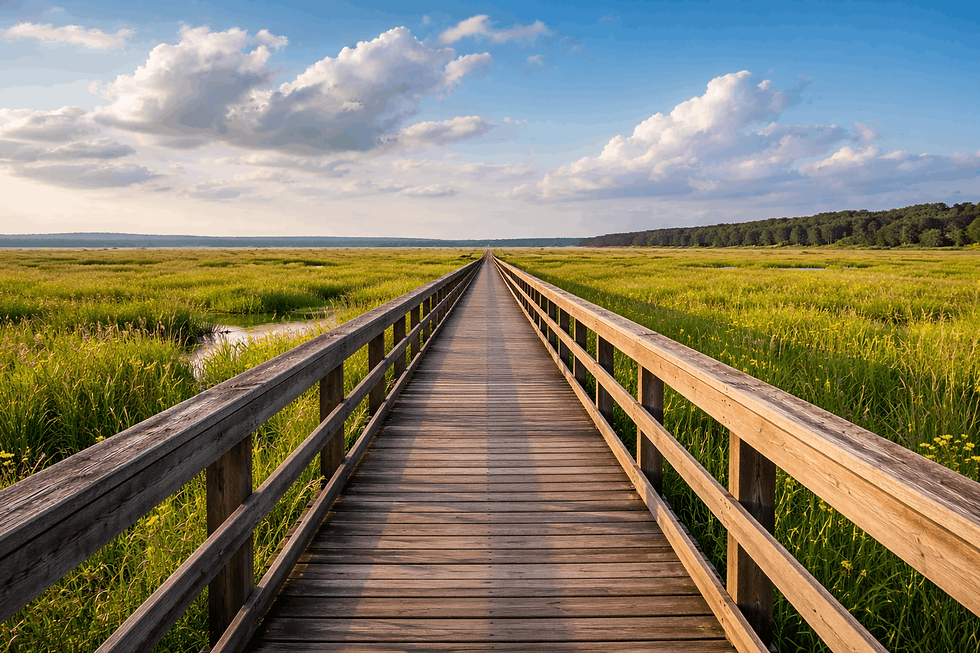
Where the land decides the story
Wild horses, sudden storms, open space—Paynes Prairie feels unscripted in a state famous for theme parks and planned communities. In 1871, a sinkhole drained the entire basin overnight, transforming Alachua Lake into a prairie.
For 60 years, cattle grazed where boats once sailed. Then in the 1990s, the lake came back, flooding the grassland just as suddenly. The land swallowed a lake, revealed it, then took it back again.
Today, you can stand on the observation tower and watch wild bison and Spanish horses roam across 21,000 acres of marsh and savanna. Sometimes you see alligators. Sometimes you see sandhill cranes. Sometimes the basin floods and you see a lake that wasn't there last month.
It's a place that quietly resets your sense of control and scale. Florida's landscape is far more alive than it appears from I-75.
Worth experiencing:
- Observation tower at sunrise (bison and wild horses visible) - 8-mile Gainesville-Hawthorne Trail (runs through the preserve) - La Chua Trail (close-up gator viewing, seriously close) - Boardwalk during wet season (the lake returns)
Quick Visit Info
Location: Near Gainesville, Florida (just off I-75)
Time to plan: 1–3 hours
Cost: Small state park entry fee
Common Questions
Can you really see wild horses and bison?
Yes, both roam freely across the preserve.
Is it good for hiking?
Yes, there are several trails and boardwalks ranging from short walks to longer hikes.
Does the prairie ever flood?
Yes, during wet seasons the basin fills with water, creating a temporary lake.
Micanopy
Micanopy doesn’t try to charm you — it simply exists.
Its brick storefronts, oak-lined streets, and quiet porches carry continuity, not nostalgia. Walking through town feels like stepping into a Florida that remembers every version of itself and never felt the need to replace them.
Founded in the early 1800s, Micanopy became a crossroads for settlers, cattle drivers, and travelers moving through North Florida. While much of the state rebuilt, rebranded, and paved over its past, this small town kept its scale, its buildings, and its pace.
Old homes became antique shops. General stores turned into cafés. Nothing was erased — just repurposed.
You’ll pass structures that have stood through wars, booms, and hurricanes. Spanish moss hangs low over streets where time seems to slow on purpose. Locals still greet each other by name. Tourists wander quietly, unsure if they should speak louder or softer.
It isn’t preserved like a museum. It’s lived in.
Places like this don’t announce their importance. They don’t need signs or spectacles. They stay with you because they feel honest — like a memory you didn’t know you had.
Florida moves fast. Micanopy chose not to.
Worth experiencing:
Historic Cholokka Boulevard (the heart of town)
Antique shops inside original 1800s buildings
Moss-covered streets near the Herlong Mansion area
Front-porch café seating along the main strip
Worth doing:
Wander downtown without a plan
Stop for coffee or lunch at a local café
Browse antique and vintage shops slowly (that’s the point)
Take a short walk under the oak canopies
Reality check:
It’s quiet, small, and meant to be savored — not rushed.
Quick Visit Info
Location:
Micanopy, Florida (just off I-75 south of Gainesville)
Time to plan:
1–2 hours
Cost: Free to explore
Common Questions
What is Micanopy known for?
Its historic buildings, antique shops, and small-town atmosphere.
Is it walkable?
Yes, the downtown area is compact and easy to explore on foot.
Is it busy?
Usually quiet, especially on weekdays.
Devil’s Millhopper Geological State Park
Florida is supposed to be flat — until it isn’t.
Devil’s Millhopper opens suddenly, a steep limestone sinkhole dropping more than 120 feet into a miniature forest below. Wooden staircases spiral down past layers of rock and dripping ferns, where cooler air settles and birds nest in the cliffs.

Formed by collapsing ground thousands of years ago, it’s a reminder that Florida isn’t just beaches and highways. Beneath the surface is a landscape shaped by water, time, and quiet erosion.
It feels almost misplaced — like a pocket of the Appalachians hiding in North Florida.
This is one of those places that challenges what you think you know about the state. Florida still has surprises it never advertised.
Worth experiencing:
The sudden view into the sinkhole from the rim lookouts
Cooler air and dense greenery inside the bowl
The layered limestone walls and hanging ferns
Worth doing:
Walk the stair loop (about 230 steps down and back up)
Explore the short interpretive trail explaining the geology
Take photos after rain when everything is lush and bright
Look for birds, butterflies, and native plants
Reality check:
It’s not an all-day stop — plan 30–60 minutes unless you linger for photos.
Pro tip:
Go in the morning or after rain for cooler temps and the best scenery.
Quick Visit Info
Location:
Gainesville, Florida (just off I-75)
Time to plan:
30–60 minutes
Cost: Small state park entry fee
Common Questions
How many steps are there?
About 230 steps down and back up.
Is it hard to walk?
It can be steep, but most visitors manage with breaks.
Is it worth visiting after rain?
Yes, everything is greener and the sinkhole is especially scenic.
Silver Springs State Park
Where Florida learned to be seen
Silver Springs taught people how to look at Florida. Long before theme parks and beach resorts, clear water and slow-moving boats turned this place into the image of the state. Glass-bottom boats glided over springs so transparent you could see sand ripple 30 feet below. Fish drifted through sunlight. Ancient cypress trunks rested like sculptures beneath the surface.
This was one of America’s first major tourist attractions. In the late 1800s, people traveled from across the country just to witness water this clear.
Movies were filmed here. Postcards were printed here. Florida’s reputation for natural beauty began here.
Even now, it feels like standing inside a living memory.
The water still flows cold and blue from underground caverns. The river still moves slowly enough to reflect the sky. Wildlife drifts in and out of view without hurry.
It isn’t about spectacle. It’s about presence.
Silver Springs reminds you that Florida’s beauty didn’t start with development — it started with quiet places like this.
Worth experiencing:
Glass-bottom boat ride (the original Florida attraction — still iconic)
Main spring basin overlook (bright blue water bubbling up from below)
Early morning river views when mist hangs low
Worth doing:
Kayak or paddle the Silver River (clear water, wildlife, calm flow)
Watch for manatees in cooler months
Walk the short nature trails around the springs
Reality check:
The boat ride is historic and worth doing once. Kayaking is where you really feel the place.
Quick Visit Info
Location:
Ocala, Florida (just east of I-75)
Time to plan:
1–3 hours
Cost:
Park entry fee
Glass-Bottom Boat Tour Pricing
Common Questions
Are the glass-bottom boat rides still available?
Yes, they remain one of the park’s most popular attractions.
Can you kayak there?
Yes, the Silver River is calm and clear for paddling.
Ocala National Forest
Florida without an agenda
This forest stretches without trying to entertain you.
Sand roads wind through pine scrub and palmetto flats beneath wide, open sky. The air smells faintly of resin and warm earth. Ocala National Forest feels uncurated and honest — a version of Florida that exists without explanation.

Covering more than 600 square miles, it’s one of the largest remaining stretches of sand pine scrub ecosystem in the world. Freshwater springs rise unexpectedly from the ground, cold and clear against the heat.
You can drive for miles without seeing anyone. You can walk trails where the only sound is wind in the trees.
It isn’t designed to impress.
You don’t leave with photos so much as a recalibrated sense of quiet.
Worth experiencing:
Juniper Springs and Silver Glen Springs (cold, clear swimming holes)
Scenic sand roads through pine forest and scrubland
Early morning light filtering through tall pines
Worth doing:
Swim in a natural spring on a hot day
Hike short nature trails near the springs
Pack a quiet picnic away from crowds
Reality check:
It’s simple, rugged, and peaceful — not built for attractions. That’s the point.
Quick Visit Info
Location:
Between Ocala and Orlando, Florida (near I-75)
Time to plan: 1–3 hours (or longer for swimming and hiking)
Cost:
Mostly free, some spring areas charge small fees
Common Questions
What are the best springs to visit?
Juniper Springs and Silver Glen Springs are popular favorites.
Is it crowded?
Usually quiet except near springs on hot weekends.
Are there hiking trails?
Yes, several short trails near springs and picnic areas.
Mount Dora
A pause before the city takes over
Mount Dora sits just far enough from Orlando to resist its pull.
Brick sidewalks wind past antique shops and lakeside cafés. Boats drift slowly across Lake Dora while oak trees shade quiet streets. It feels reflective — like a town aware of what lies ahead on the drive and offering one last moment of restraint.
Once a 19th-century lakeside retreat for travelers escaping Florida’s heat, Mount Dora grew without losing its small-town pace. While Central Florida expanded outward, this hilltop town kept its charm and walkability.
You don’t remember Mount Dora for a single sight. You remember it for slowing down.
For wandering without a plan. For sitting by the water. For easing into Florida instead of rushing through it. It’s a pause — right before the city takes over.
Worth experiencing:
Lakeside waterfront walk along Lake Dora
Historic downtown with brick streets and shops
Sunset views from the marina
Worth doing:
Grab coffee at a local café and sit outside
Take a short boat cruise on the Harris Chain of Lakes
Browse the antique stores downtown
Reality check:
It’s calm, charming, and walkable — best for a relaxed stop, not a packed itinerary.
Quick Visit Info
Location: Mount Dora, Florida (about 30 minutes north of Orlando)
Time to plan: 1–2 hours
Cost:
Free to explore
Common Questions
What is Mount Dora known for?
Its charming downtown, lake views, and antique shops.
Is it good for a lunch stop?
Yes, there are many cafés and waterfront restaurants.
Is it walkable?
Very — the downtown area is compact and easy to stroll.
Remembering What You Almost Drove Past
Most people remember Florida for where they end up. This stretch of I-75 asks you to remember it for what carried you there. These places don’t demand attention—they reward awareness. Long after Orlando fades into memory, these stops tend to surface unexpectedly, like mental bookmarks you’re glad you saved when you did.


Comments